
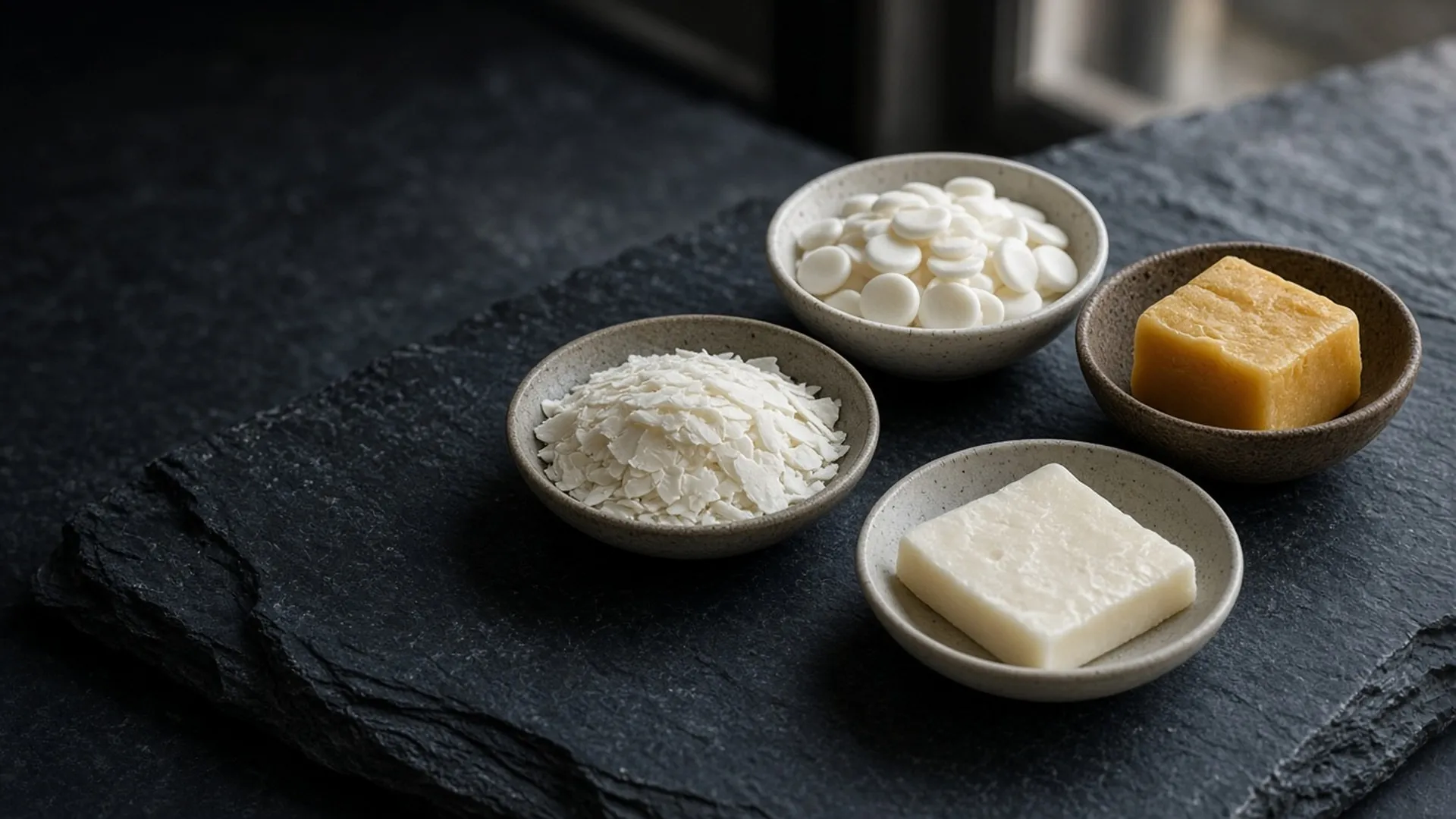
Types of candle wax, explained
Paraffin, soy, beeswax, palm, and blends.
Disclosure: We may earn a commission if you buy through links on this page. It does not change our guidance. Affiliate Disclosure
What makes something a wax
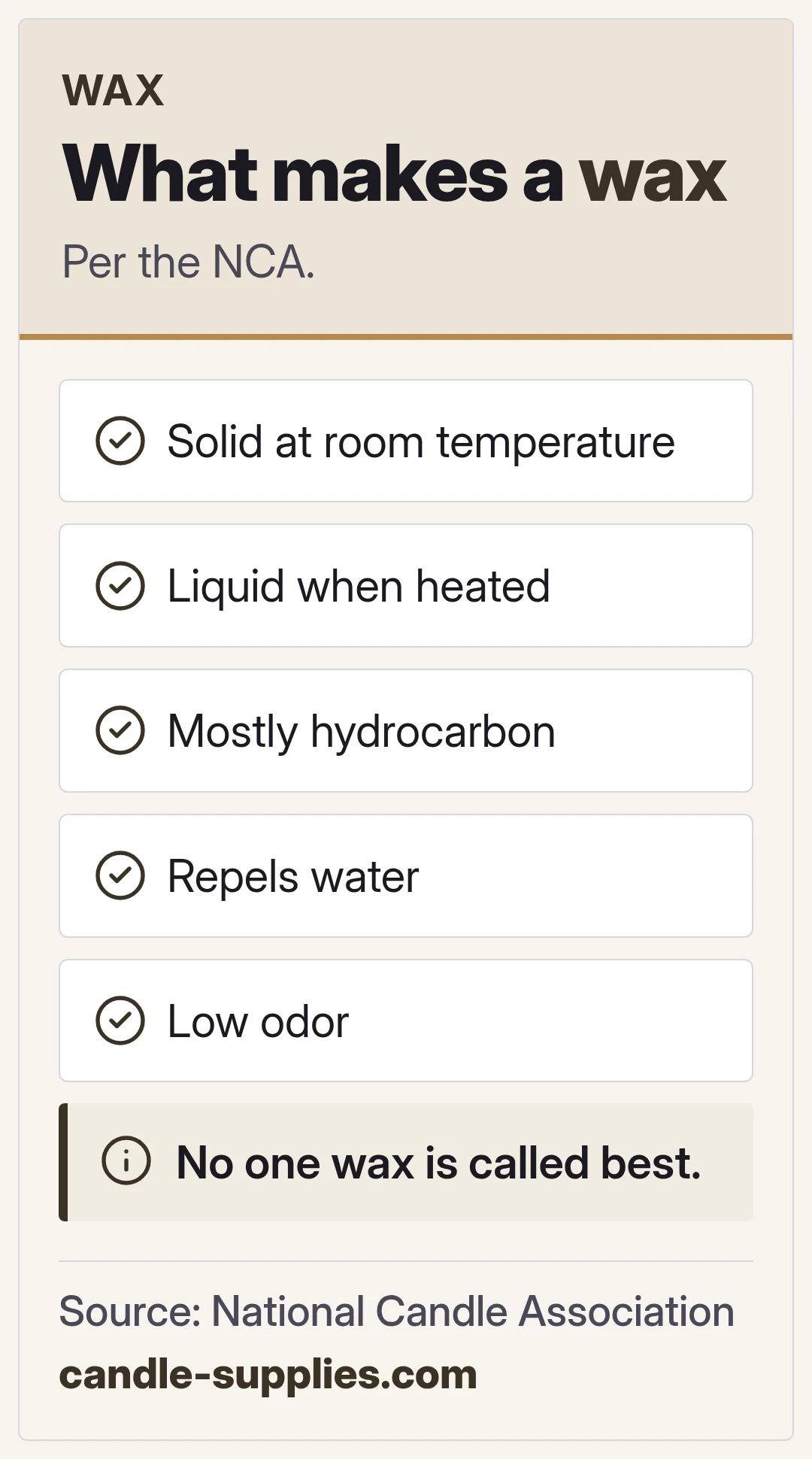
The National Candle Association (NCA) lists the traits scientists use. A wax is solid at room temperature and liquid when heated. It is mostly hydrocarbon, repels water, and has a low odor.
Where candle waxes come from
The NCA says candle waxes have come from animals, insects, plants, and rocks. Paraffin is removed from petroleum during refining. Soy wax and palm wax are made by hydrogenating soybean and palm oils.
Which waxes are used today
Per the NCA, paraffin is the most used candle wax worldwide. Beeswax, soy, palm, gels, synthetic waxes, and blends are also used in the U.S. market.
Is one wax the best?
The NCA says no specific wax or blend is considered best for candlemaking. It says all candle waxes are primarily hydrocarbons and burn in the same manner.
FAQ
General information only. Never leave a burning candle unattended, and keep it at least 12 inches from anything that can burn. When you heat wax, stay with it, and turn off the heat if you leave or see smoke. Never use water on a wax fire. If you can do so safely, slide a lid over the pot and turn off the heat; if the fire does not go out, get everyone out and call 911 from outside. Read and follow the Safety Data Sheet and instructions from the maker of every wax, wick, fragrance oil, and dye you use.

Next: soy vs paraffin
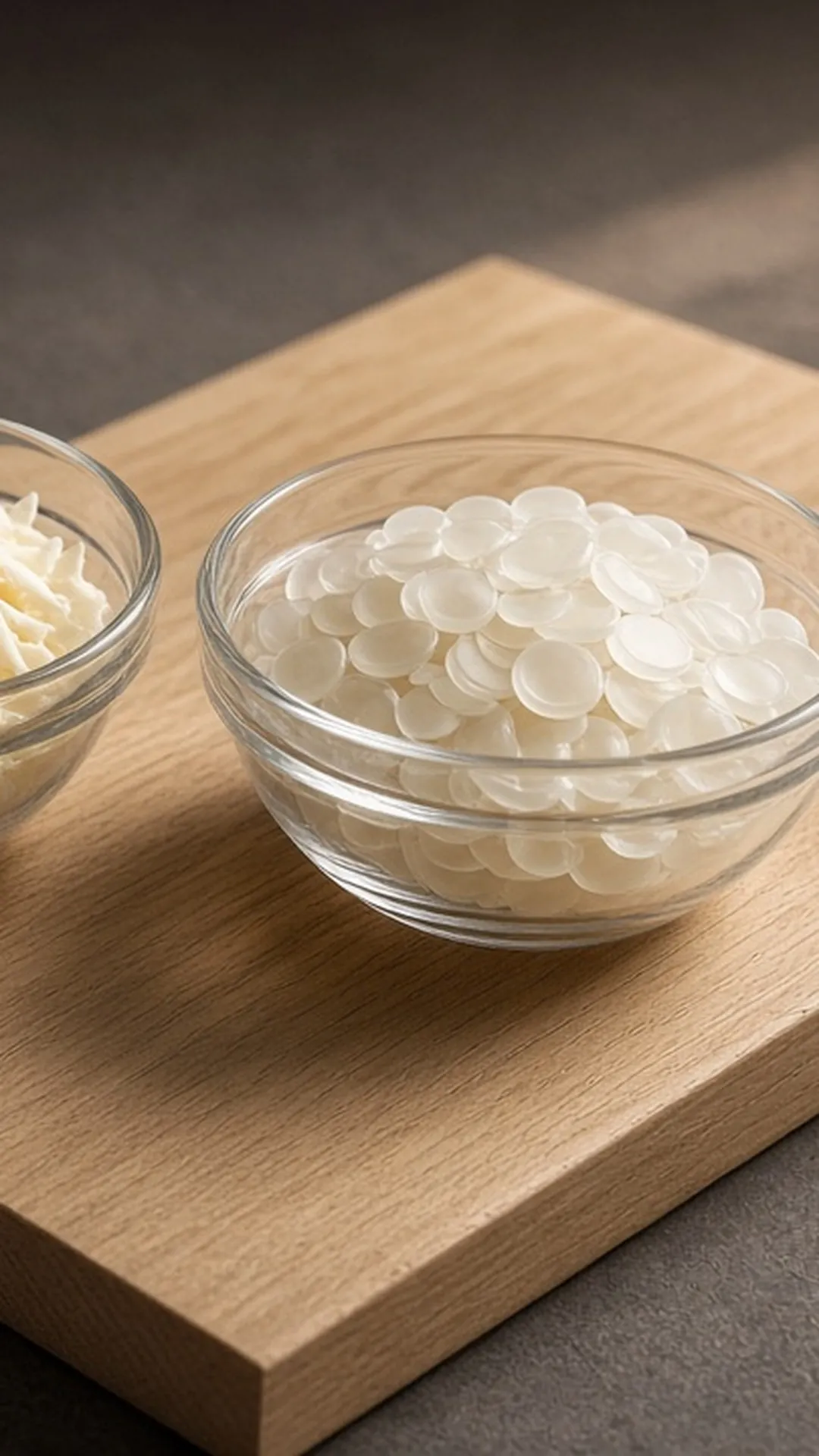
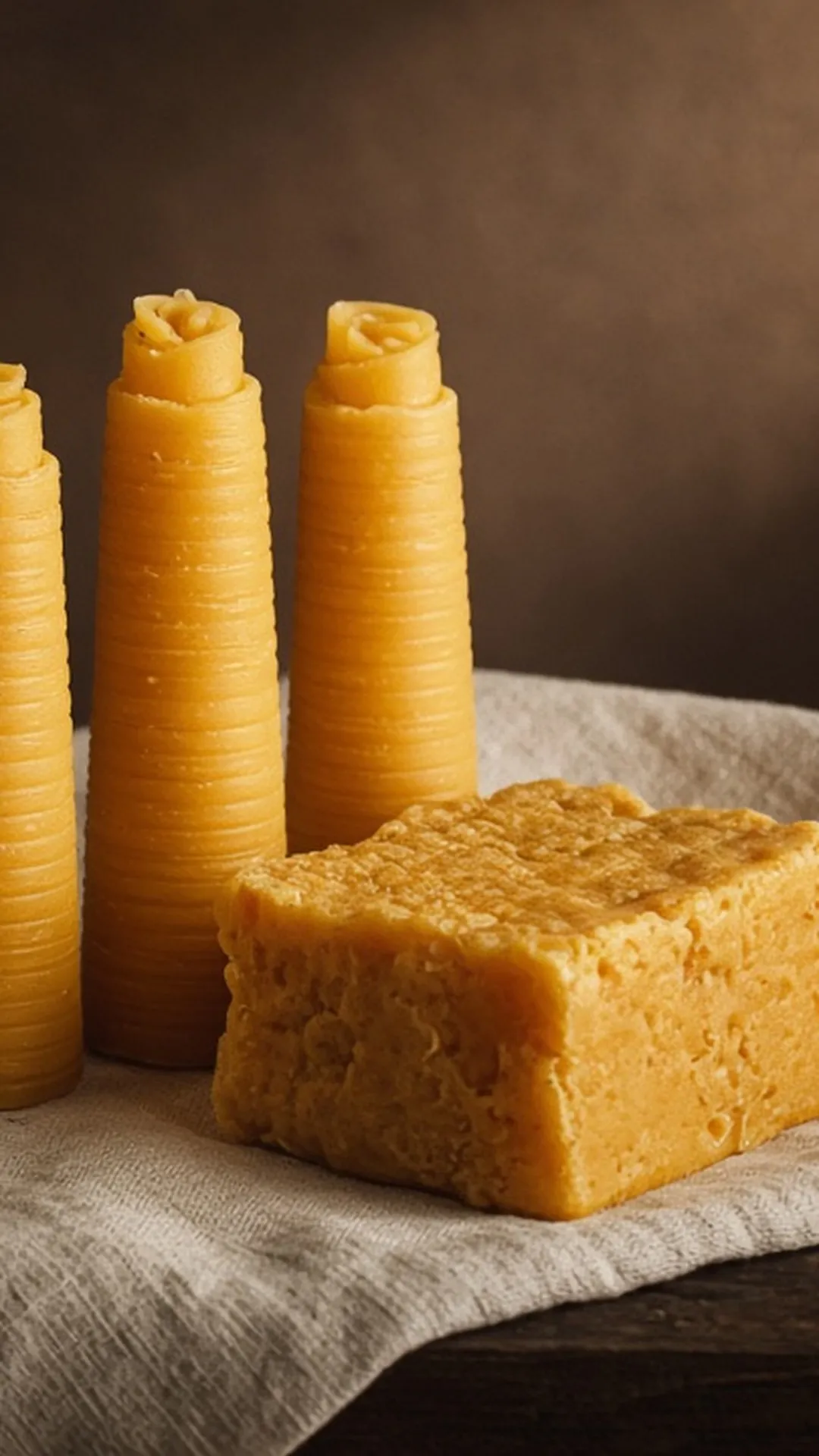
Where each one comes from.
