
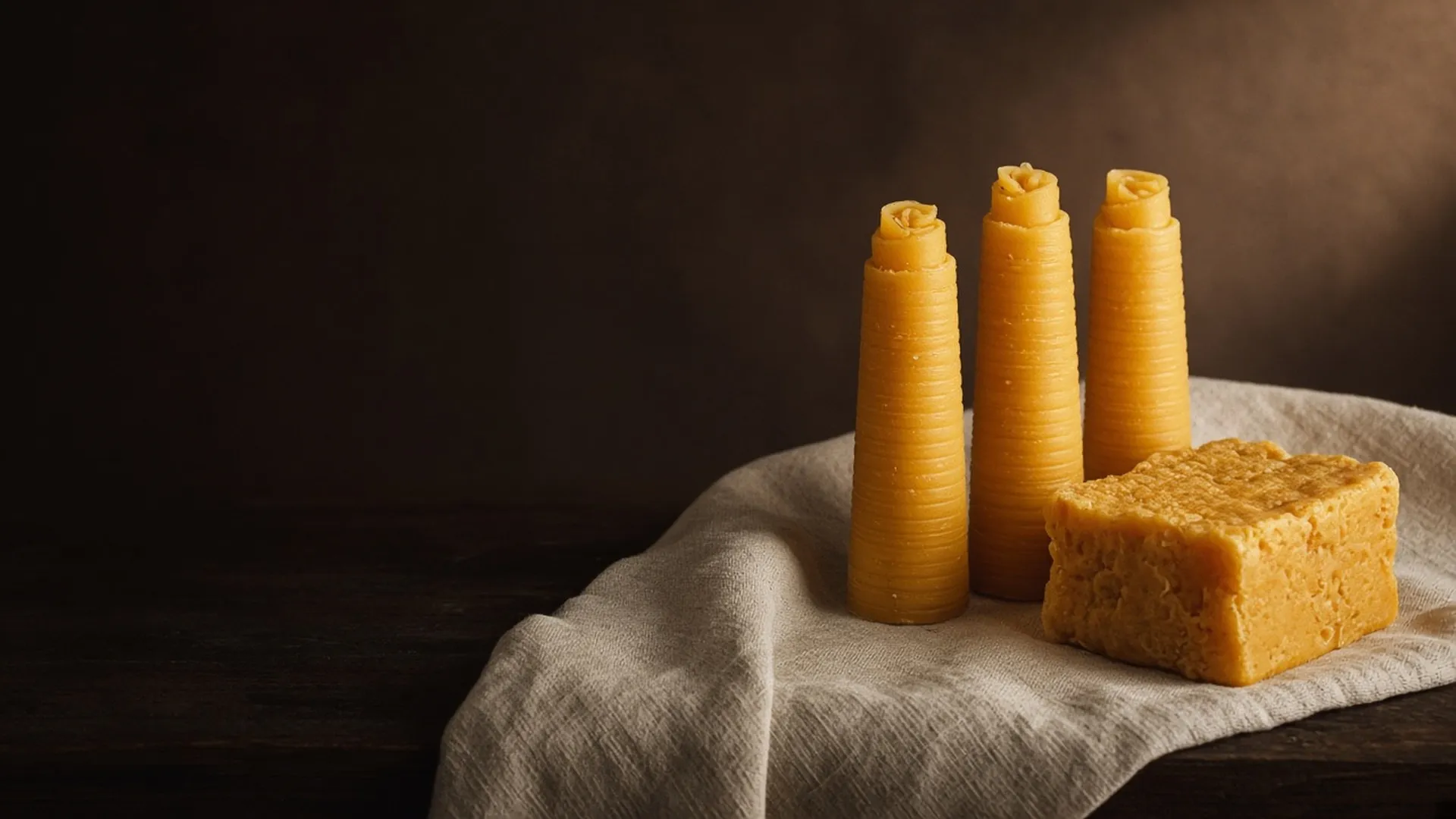
Beeswax candles, explained
One of the oldest candle waxes, and the wick it pairs with.
Disclosure: We may earn a commission if you buy through links on this page. It does not change our guidance. Affiliate Disclosure
An old wax
The NCA says beeswax was used for candles in China as early as the Tang Dynasty (618 to 907). It reached Europe in the Middle Ages, but was rarely used in homes because of its cost.
What a wax candle once meant
Per the NCA, before the 19th century a "wax" candle usually meant a beeswax candle.
The wick it pairs with
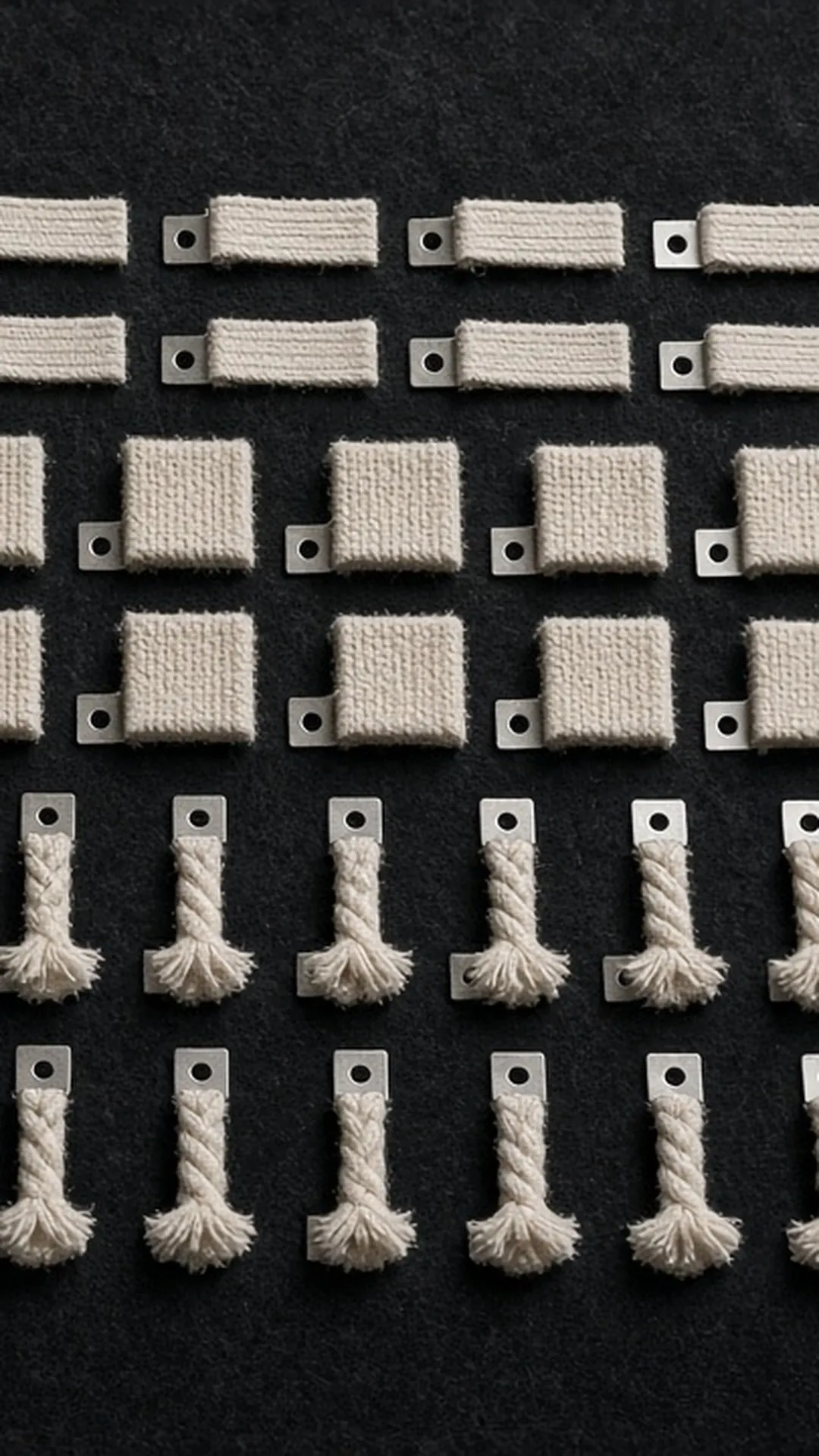
The NCA says square wicks are preferred for beeswax. They can help keep a wick from clogging.
How it burns
The NCA says all candle waxes, whether animal, vegetable, or petroleum in origin, burn in the same manner.
Sources: National Candle Association, Elements of a Candle: Wax; National Candle Association, Elements of a Candle: Wicks.
FAQ
General information only. Never leave a burning candle unattended, and keep it at least 12 inches from anything that can burn. When you heat wax, stay with it, and turn off the heat if you leave or see smoke. Never use water on a wax fire. If you can do so safely, slide a lid over the pot and turn off the heat; if the fire does not go out, get everyone out and call 911 from outside. Read and follow the Safety Data Sheet and instructions from the maker of every wax, wick, fragrance oil, and dye you use.
Next: types of wax
Paraffin, soy, beeswax, blends.
